

FEATURES
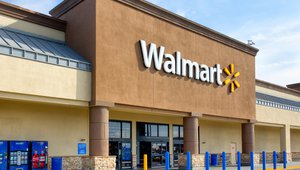
Walmart's blockchain solution offers food safety lessons
Walmart, one of America's most powerful food companies, has been advocating for a new food safety solution built on the promise of the next great technological breakthrough — blockchain technology.
Networld Media Group intros World of Money for blockchain, banking, financial
World of Money will provide a singular source of information for professionals working in businesses that operate within the larger sphere of financial systems as those systems — and the technologies, currencies, payment methods and trends that drive them — continue to evolve.The importance of dual blockchain in the equity market
By enabling public access and transparency, blockchain benefits both businesses and investors. But as most financial services data is private and confidential, it's not easy to move beyond the issues and retain the benefits. Here is how it can be done.The wild, wild world of ICOs
Things move fast in the ICO arena, where new offerings are cropping up at a breakneck pace, and regulatory entities are just beginning to catch up. But stakeholders in this innovative new world are beginning to get a handle on ICO best practices. Here's what you need to know ...
Blockchain: A KYC-AML use case
The adoption of blockchain technology can lead to the reduction of the AML-KYC cost thanks to its cross-institution client verification capability, as well as its potential effectiveness in monitoring and analyzing data required for AML-KYC checks.
The wild world of ICOs
Authors of 'Cryptoassets: The Innovative Investor’s Guide to Bitcoin and Beyond,' a new book from McGraw-Hill, outline a program of best practices for structuring and timing an ICO — and avoiding a run-in with the SEC.A tale of Trump and blockchain tech
The Trump administration has expressed interest in using blockchain technology. Could this signal upcoming developments in blockchain regulation and government use?
Whoppercoin, the cryptocurrency that lets Russians 'have it their way'
The Burger King franchise in Russia has rolled out a loyalty program built around the 'Whoppercoin.' It's a cryptocurrency that customers can traffic in online or trade in for free burgers. Could it also be a signal that Russia is softening its hostile stance toward virtual currency?
SEC ruling part 2: The bigger picture
Last week, several attorneys offered their perspectives on the SEC ruling that tokens are securities and, as such, their sale is subject to SEC regulations. This week, our legal experts look at the larger questions raised — about the future of blockchain regulation, and whether the rules regarding token sales need clarification.
Attorneys offer perspective on SEC ruling
The DAO recently got into hot water for holding a token sale that failed to comply with SEC regulations. Blockchain Tech News got in touch with three lawyers to get their perspective on what happened and how it can be avoided in the future.
The current state of blockchain regulation
With new technologies, it takes a while for regulation to catch up. Blockchain technology is no exception. While we are slowly beginning to see standards emerge, the reputation of blockchain is still marred by the criminal aspects of bitcoin.
Should governments use blockchain technology?
The Trump administration has expressed interest in blockchain technology, which raises a few questions: Should government entities use the blockchain? And if so, what are some of the use cases?
SEC ruling on bitcoin ETF marks a turning point either way
Whichever way the US Securities and Exchange Commission rules on a proposal by the Winklevoss twins for a bitcoin exchange-traded fund, the agency's decision will have a positive impact on the future of digital currencies.
Considering donating virtual currency to charity?
A growing number of 501(c)(3) nonprofit organizations are accepting bitcoins, including well-known charities. The IRS treats virtual currency as property, causing administrative issues for tracking gains and losses when using virtual currency for donations and other purposes.
United States falls behind in virtual currency regulation
The slow response of U.S. government agencies to provide helpful virtual currency regulation is undermining use and innovation of the promising currency. The U.S. is falling behind other countries in this crucial area.See More »











 Copyright © 2018 Networld Media Group, LLC. All rights reserved.
